


How Demographic Changes Influence Future Housing Demand

The housing market evolves alongside the people who live in it. While interest rates, construction activity, and economic conditions receive significant attention, demographic changes also shape long-term housing demand. Demographics refer to population characteristics such as age, household size, migration patterns, income levels, and family structure.
As these factors change over time, they influence the types of homes people need and where they choose to live. If you click www.berliner-kurier.de/ratgeber/darum-fluechten-jetzt-tausende-ins-brandenburger-umland-li.10071752, you will see that the population movement toward surrounding communities illustrate how migration patterns can quickly affect local housing demand and residential development. Builders, developers, investors, and local governments all monitor demographic trends because they provide valuable insight into future housing requirements. Understanding how demographic changes influence future housing demand helps explain why residential markets continue adapting to changing population needs.
Understanding Population Growth
Population growth remains one of the strongest drivers of housing demand. As more people live within a region, the need for additional homes naturally increases. Growing communities require housing that supports expanding families, new workers, and individuals relocating for education or employment. Residential construction often follows these population increases to meet rising demand. However, growth does not occur equally across every location. Some cities experience rapid expansion while others remain relatively stable. Builders and planners study these differences to determine where future housing development will likely be needed most. Population growth continues influencing both the quantity and location of future residential construction.
Supporting Changing Family Structures
Households today often look different than they did several decades ago. Family size, living arrangements, and household composition continue changing across many communities. Some households consist of young professionals living alone, while others include multigenerational families sharing one property. Couples may delay homeownership, and retirees may seek smaller residences after children move away. These changing family structures create demand for a wider variety of housing options rather than one standard home design. Residential developers respond by offering different property sizes, layouts, and community types that better reflect evolving household needs.
Responding to Aging Populations
Many countries continue experiencing gradual increases in older adult populations. Longer life expectancy and declining birth rates contribute to this demographic shift. As homeowners age, housing preferences often change. Some individuals choose smaller homes that require less maintenance, while others prioritize accessibility features that support independent living. Single-story homes, communities with nearby services, and properties designed for long-term convenience become increasingly attractive. Residential markets adapt by expanding housing options that accommodate these changing lifestyle priorities. Aging populations therefore influence both housing demand and future residential design.

Following Migration Patterns
People regularly relocate for employment, education, lifestyle preferences, or family reasons. These migration patterns affect housing demand across different regions. Areas attracting new residents often experience stronger demand for both rental housing and homeownership opportunities. At the same time, regions losing population may experience slower housing activity. Internal migration between urban, suburban, and rural communities also shapes residential development priorities. Builders study these movement patterns to identify locations where future housing demand is expected to remain strong. Migration continues influencing local housing markets even when broader national trends remain relatively stable.
Adapting to Lifestyle Preferences
Housing demand depends not only on population size but also on how people choose to live. Lifestyle preferences continue evolving alongside work patterns, technology, and personal priorities. Many households now value flexible living spaces that accommodate remote work, home offices, outdoor recreation, or multigenerational living. Others seek walkable neighborhoods with convenient access to transportation, shopping, and public services. These changing preferences encourage residential developments that better match modern lifestyles. Builders increasingly design communities that reflect how people actually use their homes rather than relying solely on traditional floor plans.
Planning for Future Communities
Long-term housing planning requires looking beyond current market conditions. Demographic data helps communities prepare for future residential needs before shortages develop. Local governments, planners, and developers analyze age distribution, employment growth, birth rates, and migration trends when preparing …
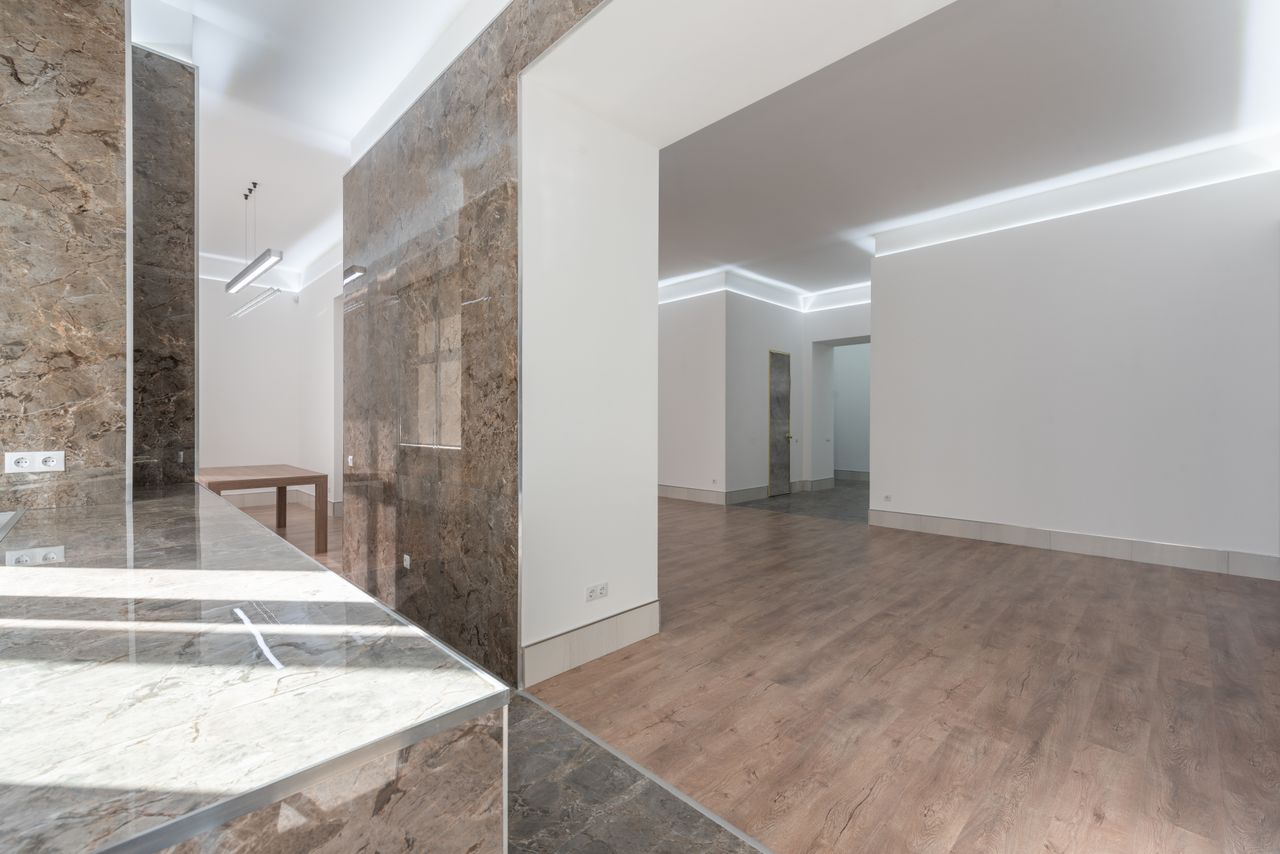
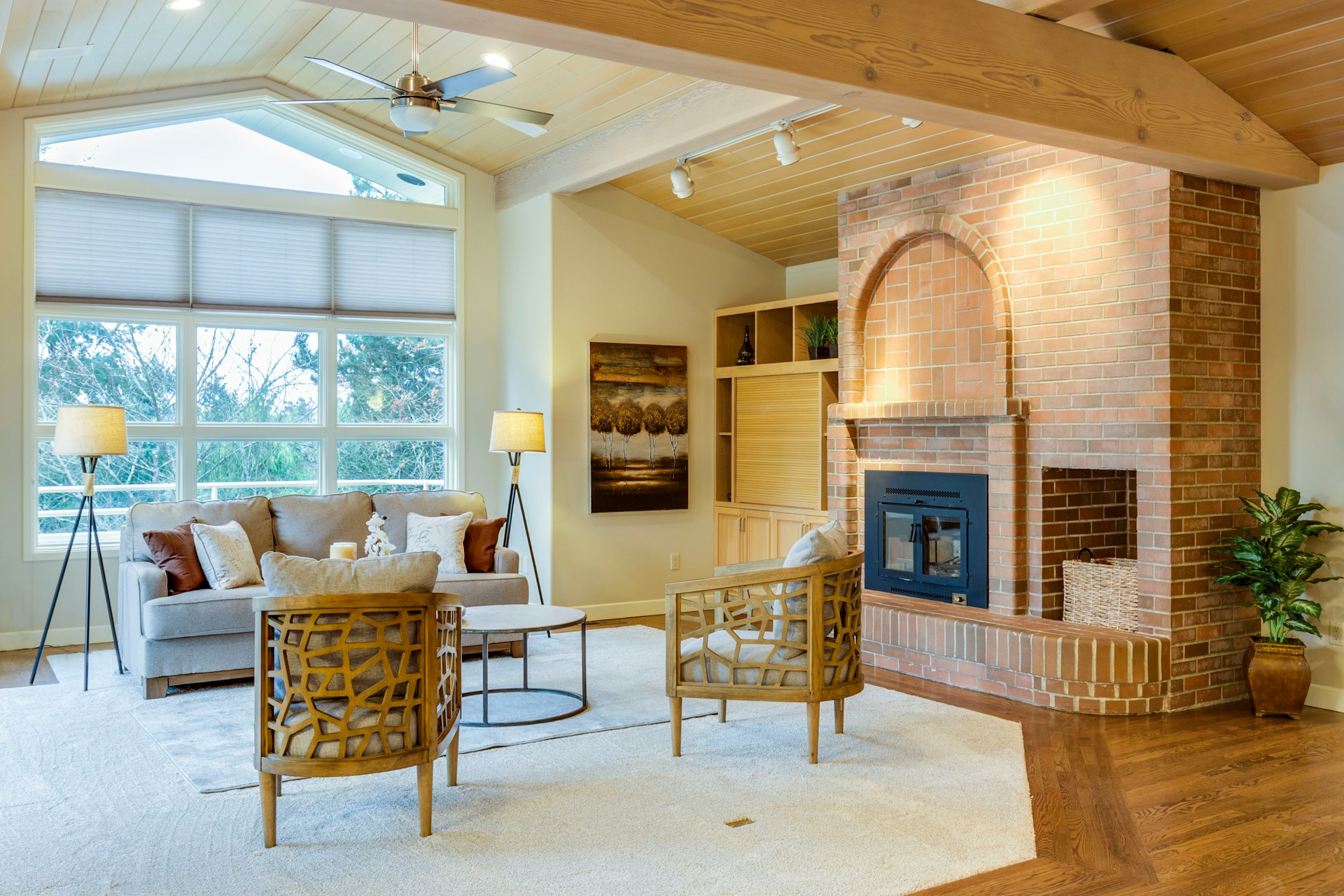
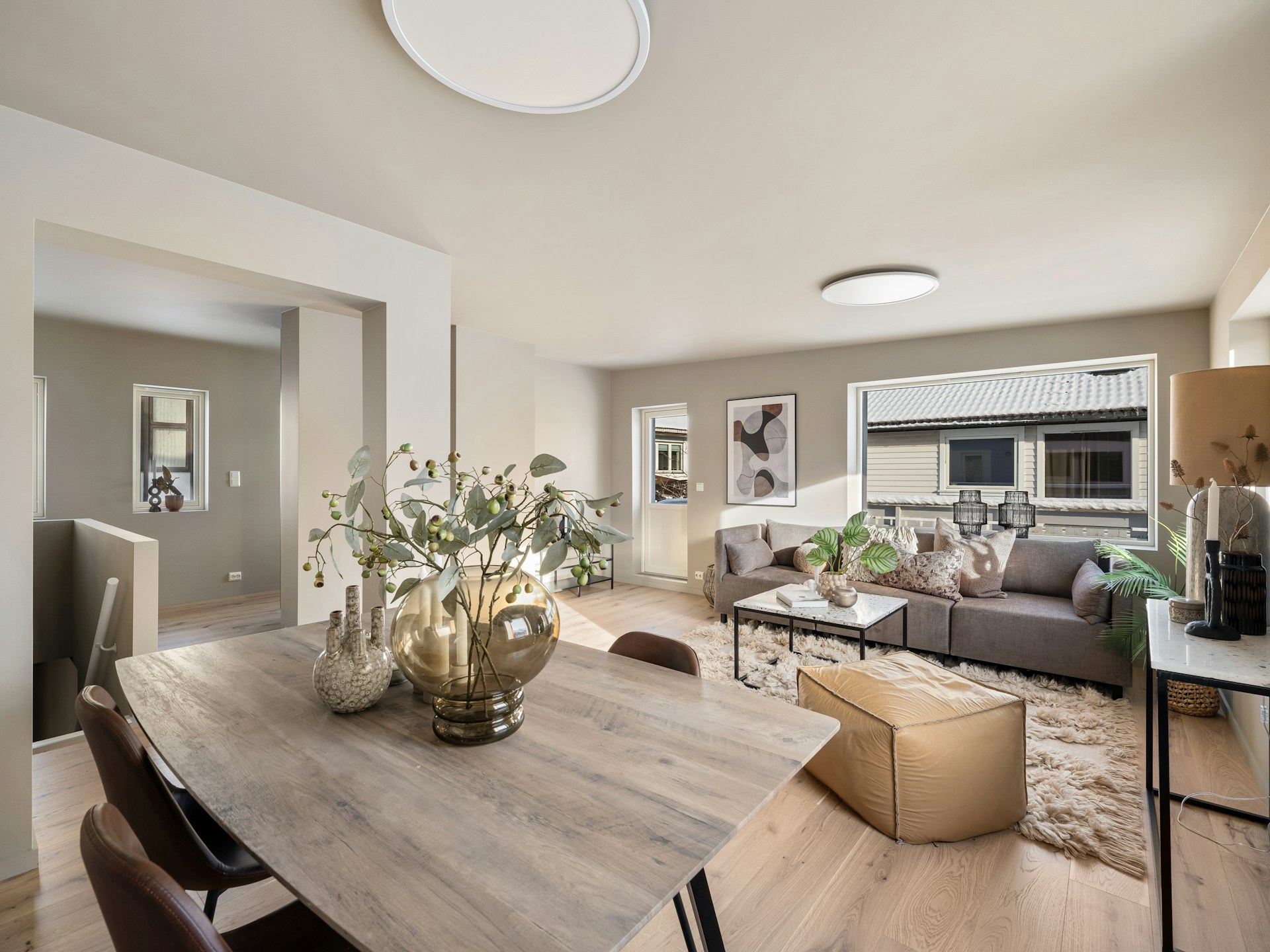
 Balance refers to visual stability. A balanced room feels grounded. Elements appear evenly distributed. This does not require symmetry. Balance can be formal or relaxed. What matters is that no area feels too heavy. Furniture, color, and texture all contribute. When balance is present, the eye moves comfortably through the space without stopping abruptly or feeling pulled to one side.












 Reliable movers know the London landscape like the back of their hand. They’ve likely done hundreds of moves in your neighbourhood, and that experience shows. From figuring out the best loading zones to estimating how long a job will take (not just in theory), seasoned movers are pros at navigating the unexpected. You won’t have to explain that your street is one-way and your building has no lift—they’ll already be prepared.
 Moving day doesn’t have to be a whirlwind of anxiety. With reliable movers, you can focus on getting settled into your new space instead of directing traffic and worrying about lost boxes. They’ll take care of the logistics while you think about more
 According to

 One of the standout benefits of living roofs is their ability to improve a building’s energy efficiency. Green roofs act as natural insulators, helping to keep your home cool in the summer and warm in the winter. This means less reliance on heating and cooling systems, which can lead to significant energy savings over time. In urban areas, green roofs also help to combat the “urban heat island” effect, where cities become significantly warmer than surrounding areas due to the concentration of heat-absorbing materials like concrete and asphalt.
 Believe it or not, covering your roof with vegetation can actually help extend its lifespan. The layers of soil and plants on a green roof protect the underlying roofing materials from the damaging effects of UV radiation, extreme temperatures, and weather fluctuations. This means less wear and …










 Did you know that a well-maintained roof acts as a barrier against external temperature fluctuations, keeping your indoor climate more stable and comfortable throughout the year? When your roof is in good condition, it helps prevent air leaks and heat transfer. This means that during hot summer months, cool air from your HVAC system won’t escape through gaps or cracks in the roof. Similarly, during chilly winter months, warm air will be retained inside rather than seeping out.
 Aside from that, a well-maintained roof can last much longer than one that is neglected and left to deteriorate over time. Let me explain. Regular inspections and maintenance allow you to identify any potential issues early on, such as damaged shingles or leaks. By addressing these problems promptly, you can prevent them from escalating into larger and more expensive repairs down the line. Cleaning your roof regularly also plays a key role in extending its lifespan.
 Neglecting
 When it comes to something as important as your roof, quality workmanship is non-negotiable. Hiring professionals for roof installation guarantees that the job will be done with precision and expertise. These skilled individuals have years of experience under their tool belts, allowing them to tackle even the most complex roofing projects with confidence.
 When it comes to roof installation, one crucial aspect that often gets overlooked is compliance with building codes. Building codes are a set of regulations and standards that ensure the safety and structural integrity of buildings. Hiring professionals for your roof installation ensures that all the necessary building codes are followed. Professional roofers have in-depth knowledge of local building codes. They stay up-to-date with any changes or updates made by authorities, ensuring your new roof meets all the required specifications. Professionals understand the importance of obtaining proper permits before starting any construction work.



 Solar roofing has gained significant traction in recent years, and for good reason. This innovative technology integrates solar panels directly into the roof materials, allowing homeowners to harness the power of the sun to generate electricity. Solar roofing not only reduces reliance on traditional energy sources but also offers potential savings on utility bills. Additionally, excess energy generated can be stored or sold back to the grid, making solar roofing a financially viable and environmentally friendly option.
 Cool roofs are a smart and sustainable solution for homeowners concerned about energy efficiency. These roofs are designed to reflect more sunlight and absorb less heat than traditional roofs. By reducing heat transfer into the building, cool roofs help lower indoor temperatures, decrease the need for air conditioning, and reduce energy consumption. Cool roofs typically have light-colored surfaces and are constructed with materials that possess high solar reflectance and thermal emittance. This combination makes them an effective and environmentally friendly choice.

 When planning the electrical layout of your home, it’s important to think about lighting types and choices. Lighting can greatly impact the overall look and feel of a room, so it pays to consider what kind of lighting will work best for each space. Firstly, consider the function of each room. A bright overhead light may be perfect for a kitchen or study area where you need good visibility, but in a bedroom or living room, you might want softer, more ambient lighting options like lamps or dimmer switches. Secondly, take into account natural light sources. If your home has plenty of windows that let in lots of natural light during the day, you may not need as many artificial lights in those rooms.
 When planning the electrical layout of your home, it’s essential to identify if there are enough power points in certain areas. This may seem minor, but it can make a big difference in how functional and convenient your living space is. Consider which rooms you will frequently use appliances or electronics, such as the kitchen, living room, and bedrooms. These areas should have multiple power outlets for maximum convenience. Additionally, think about where large items such as televisions or entertainment centers will be placed so that they can easily access power sources without having cords running across the floor, creating tripping hazards. It’s also important not to forget about outdoor spaces such as patios or decks when planning for power outlets. Having an outdoor outlet available makes it easy to host events or enjoy time outside with family and friends without worrying about extension cords or finding ways to plug in devices.
 One of the most important reasons why you should start growing marijuana at home is because it guarantees better quality than what you would find on the street. Growing your cannabis ensures that you know exactly where the plants come from, so there’s no risk of accidentally buying a strain with unknown genetics or contaminants. Plus, if you grow in an optimal environment, you can produce top-notch buds with high potency and flavor.
 When it comes to growing cannabis, you ultimately control the process. You can choose which strains you want to cultivate and how much time and effort you want to put into the growth. This gives you great satisfaction, knowing that your hard work and dedication have gone into producing the herb. In addition, you can also experiment with different growing methods to find what works best for your unique setup.
 A water filter system is a great addition to any home. Not only does it provide you with clean drinking water, but it can also save you money on your monthly water bill. There are many different types of water filtration systems available on the market, so be sure to do your research before making a purchase. This is so you can ensure that you get the right product for your needs. If you want to know how to find the best water filter system for your home, visit
  A smoke detector is an important safety device that every home should have. This simple device can save lives by alerting you to the presence of fire or smoke. Be sure to install a smoke detector in every room of your house and the hallways. You should also regularly test your smoke detectors to ensure they are working properly. Many houses have been saved from destruction by smoke detectors, so this is one item that you should not neglect.
 The first step is to visit the project site. This will give you a good idea of the size of the job and how much work will be required. It’s also essential to estimate how long it will take to complete the job. As you can see the house you’re going to work on, you will get an idea of the total area that needs to be covered with paint. Aside from that, you can also see if the walls need to be resurfaced that much before painting or not. It can be such a deal-breaker, so think about it. These will help you determine the amount of paint and other materials you will need.
 Now that you know how to estimate the total cost of painting a house, it’s time to get the final calculation done. To do this, you need to add the costs of paints, materials, and labor. You also need to add your markup and contingency fee (if applicable). Once you have all the costs, you can calculate the final price. That’s why it’s essential to get quotes from different painting contractors so you can compare the prices.
 One quality to look for in an appliance repair company is personal service. This means that the company should take the time to get to know you and your needs. They should be able to provide you with a personalized experience that meets your specific needs. A great appliance repair company will make you feel like they genuinely care about their customers and satisfaction. In addition, they should be available to answer any questions you may have.
 The next quality to look for is incredible product knowledge. This means that the company should have a deep understanding of the products they are repairing. They should be able to answer any questions you have about the repair process and the appliance itself. In addition, they should be able to provide you with tips and advice on how to maintain your device. A great appliance repair company will always put their customers first and ensure they are satisfied with the results by offering great knowledge.
 Concrete flooring is a type of flooring that is made from concrete. This material is solid and durable, making it an excellent option for flooring. Concrete flooring can be polished to create a beautiful shine or left with a natural finish. Moreover, concrete is made from cement, aggregate, and water. It means that it is a very sturdy material that can withstand wear and tear. Concrete flooring is a popular choice for many homeowners because it is affordable and durable.
 So that you’ve known what
 One of the most common mistakes people make when decorating their homes is buying too big or too small furniture for the space. It is important to take measurements of your rooms before you go furniture shopping to know what will fit and what won’t. Don’t be afraid to rearrange your furniture to find the perfect layout for your space.
 You must select a plumber with the experience and qualifications necessary to handle your specific repair or installation. Ask the plumber about their experience with the type of plumbing issue you are experiencing.
 Although plumbing may seem like an easy trade to some, it’s a skilled profession that takes many years of practice to perfect. That’s why it’s crucial only to hire a licensed and insured plumber to work on your home plumbing system.
 If you’re not familiar with construction, it’s essential to do your research before starting a project. It includes learning about the different stages of construction, what permits are needed, and how long the entire process will take. It’s also crucial to create a realistic budget and timeline for your commercial construction project. It will help avoid any surprises down the road. When creating your budget, be sure to include the cost of materials, labor, and permits.
 The success of any project depends on good communication. So, it’s essential to have a clear line of communication with your contractor from the start. It means setting up regular meetings and keeping track of the project’s progress. You should also expect updates weekly or monthly, whichever you prefer. It’s also helpful to have your contractor’s email address, cell phone number, and office address. It will make it easy to get in touch with them if you have any questions or concerns along the way!